
You speak of a food system that was optimised for a world that no longer exists. What has fundamentally changed? And why does that make this moment so different from previous disruptions?
Sara Roversi: For decades, the food system was designed around a set of assumptions: a relatively stable climate, predictable supply chains, abundant natural resources, and consumers who were largely disconnected from the consequences of their choices.
Today, every one of those assumptions has been challenged. Climate volatility is reshaping agricultural productivity. Geopolitical tensions are disrupting flows of food, energy, and fertilisers. Demographic shifts are changing consumption patterns. Technology is accelerating faster than institutions can adapt. And citizens are no longer passive consumers; they are active participants demanding transparency, accountability, and purpose.
What makes this moment different is not the magnitude of any single disruption. It is the convergence of all of them. We are not experiencing a temporary crisis within the food system. We are witnessing the transition to a new paradigm. The real question is no longer how to make food systems more efficient, but what we want them to optimise for: productivity alone, or resilience, regeneration, health, and shared prosperity.
Live at the GDI Food Conference
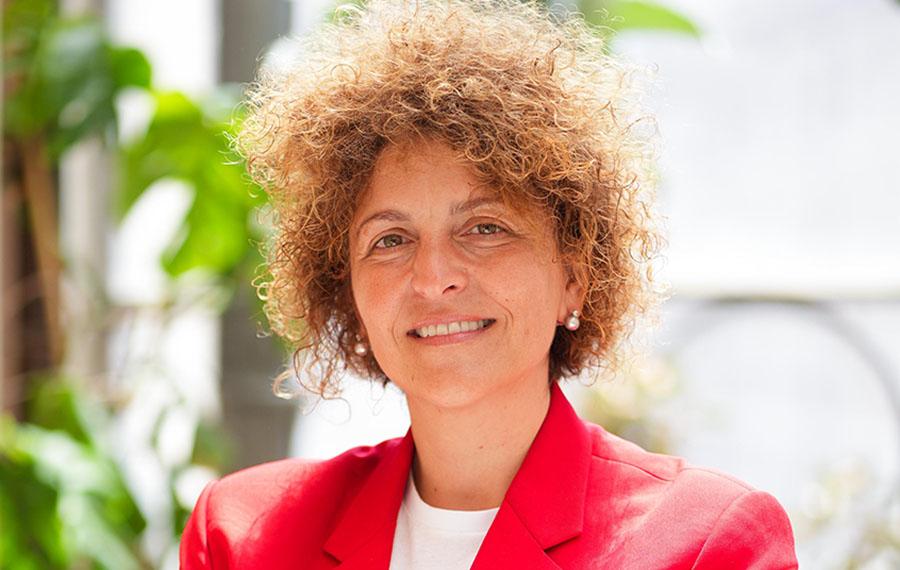
Sara Roversi is the founder and president of the Future Food Institute and a global advocate for sustainable and resilient food systems. On 18 June she will speak at the International Food Innovation Conference about the future of food.
Climate change, geopolitical tensions, demographic shifts, technological innovations, eroding consumer trust – which of these forces do you consider the most underestimated by the food industry, and why?
Sara Roversi: Trust.
Climate change dominates headlines. Geopolitical instability is discussed in every boardroom. Technology attracts investment and attention. Trust is often treated as a communications issue. In reality, trust is becoming one of the most strategic assets of the twenty-first century.
People increasingly understand that food choices influence health, biodiversity, local economies, and climate. They want to know not only what they are eating, but what kind of future they are supporting.
The companies that will thrive are not necessarily those with the most advanced technologies. They will be those capable of demonstrating integrity, transparency, and a genuine commitment to creating value beyond profit. Trust is no longer a branding exercise. It is becoming the licence to operate.
AI is dominating the conversation across industries. Where does it fit in your reading of the future of food and what risks do we take if we focus on technology while missing the bigger picture?
Sara Roversi: AI is a powerful tool, but it is not a vision. It can help reduce food waste, improve agricultural productivity, optimise water use, anticipate climate risks, and accelerate scientific discovery. Its potential is extraordinary.
But technology is an amplifier. It amplifies the objectives we choose. The danger is believing that technological sophistication automatically produces social progress. Food systems are not merely technical systems; they are cultural, ecological, and human systems. If we optimise only for efficiency, we risk accelerating extraction and inequality. If we optimise for regeneration, resilience, and wellbeing, AI can become one of the most transformative forces available to us. The algorithms are ready. The real question is whether we are ready to tell them what to optimise for.
The food industry is full of incremental innovation. What would a genuinely systemic leap look like?
Sara Roversi: A systemic leap begins when we stop treating food as a commodity and start recognising it as a public good. Food connects human health, environmental health, economic development, social cohesion, and even peace. Yet we continue to govern these dimensions separately.
The next leap is not simply technological. It is systemic. It means rewarding farmers not only for yields, but for restoring soils, biodiversity, water systems, and community resilience. It means connecting food policy with health policy, climate policy, education, and economic development. It means measuring success not only through productivity, but through fertility, prosperity, and longevity. The future will not be built by smarter products alone. It will be built by smarter ecosystems.
What would you say to a CEO who is not sure where to start?
Sara Roversi: Start by asking a different question. Not: “How can I make my business more sustainable?” But: “What role does my organisation play in creating the future we want to live in?” The most successful companies of the coming decade will understand that resilience is becoming the new growth strategy.
My advice is simple: understand your dependencies on nature, communities, and trust; invest in regenerative capacity rather than simply reducing harm; engage young people as co-creators; and move from compliance to purpose. The transition will not be led by those who wait for certainty. It will be led by those willing to act before certainty arrives.
You've built living labs, co-designed university programmes, and engaged with UN food diplomacy. Where does real transformation begin?
Sara Roversi: Transformation begins with people.
Policy matters. Business matters. Academia matters. But none of them can transform systems in isolation. After years working across global institutions, local communities, and food diplomacy initiatives, I have become convinced that our greatest challenge is not technological or financial. It is cultural. We need leaders capable of thinking in systems rather than silos.
This is why we created Living Labs: places where farmers, entrepreneurs, scientists, policymakers, and young leaders can learn together and prototype the future together.
The future of food will not be designed by a single institution or sector. It will emerge through new alliances between communities, governments, businesses, academia, and nature itself. Because ultimately, food is much more than what we eat. Food is one of humanity's most powerful tools for regenerating the relationship between people, planet, and prosperity.
“Recoding Food”: The GDI Food Conference
How can the transition to resilient food systems succeed? At the International Food Innovation Conference at the GDI, Sara Roversi and other internationally renowned thought leaders will discuss how technology, trust and new forms of collaboration are shaping the future of the food industry. Join us on 18 June.