
Why is housing such a major issue in Switzerland?
Jakub Samochowiec: The search for housing is an issue that concerns many people, especially in urban centres. Affordable housing, expensive new-build developments and population growth are all highly contentious issues. The forthcoming referendum entitled "No to a Switzerland of 10 million" is fuelling public debate too. However, our data reveals that three out of four people are satisfied with their housing situation. So any talk of distress is wide of the mark.
«This is how Switzerland wants to grow»
A representative survey of over 2,000 people from German, French and Italian-speaking Switzerland sheds light on the views of Swiss people towards housing and development. The study conducted on behalf of the Migros Pioneer Fund encourages fresh perspectives and highlights opportunities. It also provides the Migros Pioneer Fund with a solid basis for selecting funding projects.
Will that remain the case ten years from now?
Jakub Samochowiec: Two thirds of respondents would like to remain living in their current homes. Surprisingly, even half of people under the age of 30 do not want to move in the next ten years either. This provides a clear indication that many people are currently under no pressure to change their personal living situation and see themselves living in the same place long-term. Nonetheless many people realise that population growth means we also need to change the way in which we coexist as a society.
Are there differences between population groups in this respect? Such as the infamous urban/rural divide?
Jakub Samochowiec: Actually, there is barely any difference between the age groups or residents of urban, rural and suburban areas. However, the political spectrum has a major influence over views on need for change. The more right-wing the political party that respondents support, the less they see need for change in the way society coexists. People most likely to support the Social Democratic Party of Switzerland (SP) or the Greens believe change is needed almost twice as frequently (60%) as those whose views are most closely aligned with the Liberals (FDP) or Swiss People's Party (SVP). This means the latter group take a less favourable view of targeted measures, such as rezoning or the construction of smaller apartment units.
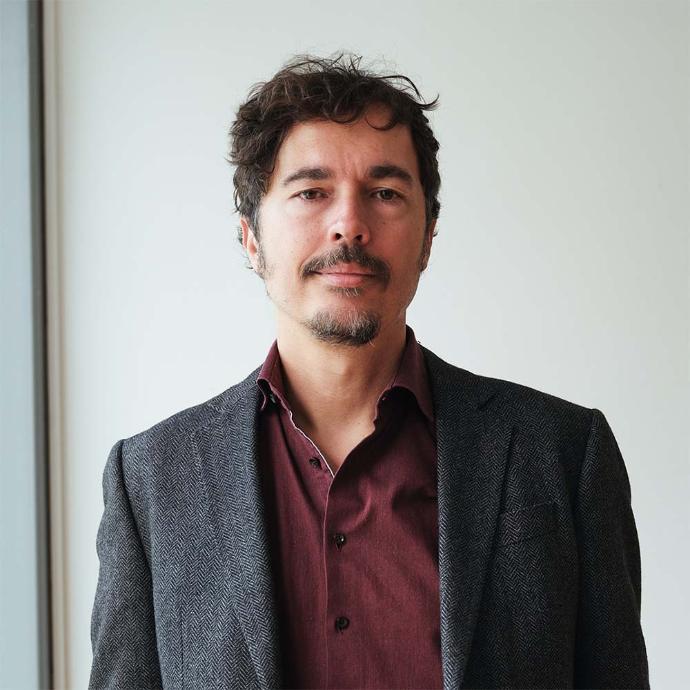
Jakub Samochowiec
Senior Researcher und Speaker am GDI
Der promovierte Sozialpsychologe analysiert gesellschaftliche und technologische Entwicklungen und deren Zusammenspiel. Insbesondere interessieren ihn dabei Geschichten, die wir uns über die Zukunft erzählen.
More about the author
Which measures to increase living space have the best chance of succeeding in Switzerland?
Jakub Samochowiec: The redevelopment of office and industrial brownfield sites has met with great approval. Conventional urban densification measures, such as adding storeys to existing buildings or constructing taller new ones, are also favoured by around half of those surveyed and supported to some extent by a further third of respondents. Such projects would be well advised to take people's concerns about urban densification seriously. These include loss of green spaces, increased noise levels and waste and higher rents. Including positive measures, such as upgraded green spaces, public transport improvements or sustainable construction methods, in spatial planning proposals results in greater acceptance of urban densification schemes.
Where will people accept urban densification?
Jakub Samochowiec: Urban residents and people in rural areas agree that urban densification should primarily take place in cities and urban centres. The NIMBY (not in my backyard) effect - where people believe change is necessary but don't want it to happen near to where they live - is slightly more prevalent in the countryside. Our data indicates that even more urban densification is primarily deemed acceptable in areas where it is already happening. This may be due to the fact that some people intentionally choose to live in the city because they like densely packed urban environments where they can meet lots of different people in a short space of time, visit a wide variety of restaurants and enjoy a vibrant cultural scene.
So are big cities the future for the Swiss?
Jakub Samochowiec: This question raises a dilemma. While Swiss people are more accepting of urban densification in city centres, many prefer to live in rural areas. Only a minority want to live in a big city in the future. Many more people from the city can see themselves living in the countryside than vice versa. However, how such super cities are structured is a crucial factor too. If they are enriched with green spaces and provide easy access to local recreational areas via an extensive public transport network, this may increase their appeal. Our survey results reveal that people are generally receptive to changes in relation to living space. However, they also show how these changes should be approached and which factors must be taken into account.