
Mr Kretzschmar, Thalia was founded in 1919 as a single bookshop and has since survived World War 2, economic crises and the disruption caused by Amazon. Today, Thalia’s network comprises around 570 bookshops and recorded a 14% increase in turnover in 2025. How confident are you that this success story will continue?
Ingo Kretzschmar: I am very confident – mainly because we have never taken success for granted. Thalia has continually reinvented itself without losing sight of its core mission: to get people interested in stories, knowledge and culture. This is precisely where our strength lies. We combine the strength of high street retail with a clear vision for the future. Books are not just any old product. They provide guidance, inspiration and a sense of community. That's why bookshops remain relevant. Due to the fact that we are also committed to investing in technology, logistics and new concepts, I am confident that this success story is far from over.
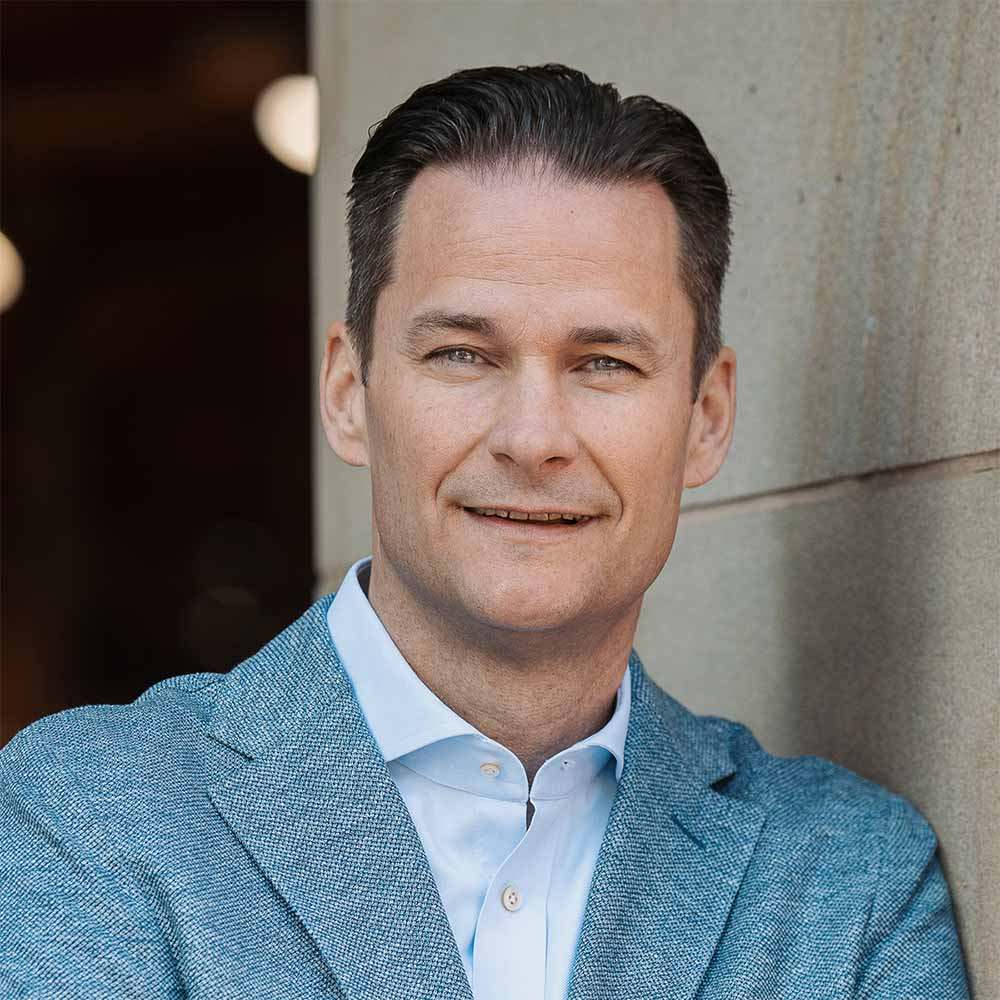
Live from the GDI Retail Summit
As the CEO of Thalia, Ingo Kretzschmar has been responsible for the strategic development of Europe’s leading bookseller since 2022. Come and see Ingo Kretzschmar live on stage at the International Retail Summit on 16 and 17 September!
High street shops close down every year. In Germany alone, some 4900 closures are expected to occur in 2026. Hundreds of bookshops are closing down and moving out of town and city centres. While all of this is happening, you are opening new flagship stores. What do you see that others don’t?
Ingo Kretzschmar: There is no doubt that our sector is under structural pressure. This is the result of rising energy and staff costs, changing consumer behaviour, and town and city centres that are, in many places, not particularly attractive. What’s more, bookshops cannot simply pass on the increase in costs to customers, as book prices are fixed. At the same time, it is clear that customers today expect more than just shelves full of books. They expect an attractive range of products, expert advice, a pleasant shopping experience and a seamless blend of in-store and online shopping.
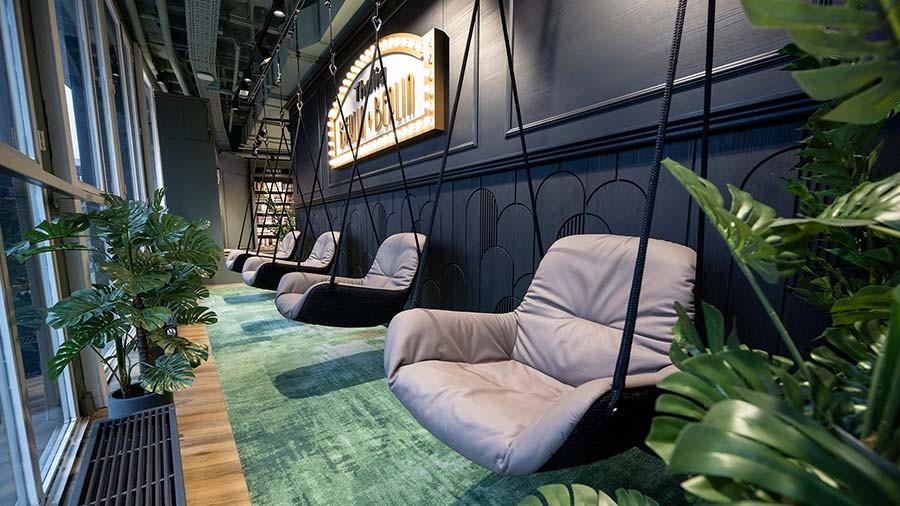
We realised early on that the future does not lie in an either/or choice, but in the interplay between both worlds. That's why we are making targeted investments in establishing modern bookshops as cultural hubs – featuring events, community spaces and in-house cafés – while also investing in services such as click-and-collect. We firmly believe that high street retail only has a future if it remains relevant to people.
They are expanding into the toy retail sector with "Spielzeit by Thalia" and see there to be the potential for up to 150 shops. At the same time, examples such as Toys’R’Us, MyToys and Franz Carl Weber illustrate just how challenging the traditional toy retail sector has become. Why should a bookseller, of all companies, succeed where specialist toy retailers have failed?
Ingo Kretzschmar: Because we don’t view toys in isolation, but within the context of families, leisure time and everyday life. Our customers are often not just looking for books, but for inspiration for children, ways to promote learning, games for children and gift ideas. This is precisely where there is a great deal of overlap between the different sectors.
At the same time, we have certain advantages that many specialist toy retailers simply do not have, such as an extensive network of shops in prime city- and town-centre locations, a high footfall, a strong brand and an established omnichannel infrastructure. It is vital that we do not present toys as interchangeable items, but in a way that is emotionally engaging, carefully curated and experience-oriented – in other words, with precisely the same level of expertise that makes us successful in the book trade.
Thalia seems to have a good eye for trends. They were early adopters of Manga when it was still a niche genre, and took the New Adult trend and BookTok seriously before they made it into the arts pages of newspapers. How can you tell which cultural trends emerging from niche markets will actually become commercially relevant?
Ingo Kretzschmar: First of all: we don’t believe in trend research conducted from a distance. Our strength lies in our connection with people – in bookshops, on social media and within our communities. When young readers camp outside a bookshop overnight or millions of people on TikTok are talking about certain books, that’s a strong sign. Above all, it is important to take such trends seriously before they become mainstream. Manga, New Adult and Romantasy literature were sneered at for a long time – now, these books are having a major impact on the industry. The key is to act quickly – with the right product ranges, our own retail spaces as well as events and teams who truly understand these communities.
You run a company with around 7,000 employees in an industry that is constantly described by outsiders as being in crisis. How do you prevent this negative narrative from spreading within the organisation?
Ingo Kretzschmar: By not talking about the crisis, but rather about opportunities. Our staff have naturally also read the headlines about high street retail and falling readership figures. But at the same time, they see every day just how many people visit our bookshops, how much young people like reading and the extent to which books bring people together.
I believe that motivation stems primarily from a sense of purpose and the opportunity to make a difference. What matters is where you focus your attention. If you don't do anything other than talk about the crisis, you’ll not achieve anything. Talking about opportunities, individual responsibility and how to shape the future energises people. Our colleagues know that they don’t just sell products. They create spaces for learning, socialising and culture. This isn’t a thing of the past – it’s socially relevant. And it is precisely with this understanding of our sense of purpose that we are moving forward.
Come and see Ingo Kretzschmar live at the GDI
Ingo Kretzschmar will speak at the GDI International Retail Summit about the future of bricks-and-mortar retail and the opportunities hidden behind the current crisis narratives. At the event entitled "Retail Reality Check: Confidence over Crisis", leading figures from the fields of retail, business and research will come together on 17 and 18 September 2026 to discuss how companies can confidently leverage their strengths and tap into new growth opportunities. We look forward to welcoming you to the event.