?unique=c56babd)
People are stressed and under pressure to perform, thus increasing their need for well-being offerings. The new GDI study entitled "Feelgood Revolution" shows for the first time what people in the DACH region think about nutrition, health and beauty – from dietary supplements to sleep and cosmetic surgery.
Wellness has long been much more than simply a lifestyle trend. It is one of the fastest-growing markets in the world and its projected value is set to increase from around USD 6 trillion in 2023 to almost USD 9 trillion by 2028.
The study explores the following questions:
- How satisfied are people in the DACH region with their appearance as well as their mental and physical health?
- How great is the perceived social pressure to look good, be healthy and efficient, and eat healthily? Has this tended to increase or decrease in recent years?
- Where do most people obtain information about health issues? Via search engines, AI applications or from doctors and pharmacists?
- How widespread are cosmetic procedures such as Botox or cosmetic surgery and how willing would people be to have them if the financial barriers were to be removed?
- How old do people actually feel and how young do they want to look?
- What motivates people to stay healthy or attractive?
- Who is responsible for the health of the population? Is it a case of everyone for themselves? Is it the food producers? Perhaps even the government? Or maybe everyone is to a limited extent?
- Would people welcome the removal of 'unhealthy' foods from retailers' product ranges?
years is the desired age to reach in good health
are open to cosmetic surgery
supplements are taken on average
of under-40s are satisfied with their mental health
Four Feelgood Types
Based on attitudes and values, the study identifies different feelgood personas: Strugglers, Achievers, Balancers and Agnostics.
From this, the GDI derives specific implications for industry and retail, highlighting how organisations can position themselves for the future at the intersection of food, health and beauty.
Superfoods, sleep tracking and skincare routines – awareness surrounding health has increased in recent years. People are taking better care of their bodies, eating healthier, exercising more and abstaining from drinking alcohol. Campaigns such as «Dry January» are making it clear how health has moved into the public consciousness. At the same time, the pressure exerted on us by time, performance and optimisation has increased, causing stress that can lead to illness. To meet the high expectations people place on themselves and their environment, restless individuals rush from one appointment to the next. Time-related stress has become a mass phenomenon that affects women and younger people in particular. This has led to a growing need for a more relaxed pace of life, mental well-being and self-care e.g. through yoga and meditation courses, collagen drinks and natural cosmetics.
The GDI study «Feelgood Revolution» describes how the new wellness economy is emerging where the nutrition, health and beauty sectors converge. The upshot is a trillion-franc market that is bigger than IT, sports and tourism. Sporting goods manufacturers are opening fitness centres, food producers are expanding their functional beverage ranges while cosmetics companies are buying longevity clinics. The study analyses how traditional industry logics are shifting and how food, cosmetics and medicine are becoming a part of holistic well-being. Consumers are no longer just looking for products that make them feel full, healthy or attractive, they want all-in-one solutions that meet all these needs at the same time. Whereas people used to go to the doctor, today they can visit a barber shop offering blood pressure analysis in addition to face massages.
In the Feelgood Revolution, well-being is becoming the frame of reference for consumer and life decisions. A representative survey of over 3,000 people in Germany, Austria and Switzerland reveals that almost everyone finds physical and mental health important, and just under half of respondents consider nutrition, health and appearance to be relevant at the same time. Based on the survey, the study identifies four Feelgood types (Strugglers, Achievers, Balancers and Agnostics), each of whom have different attitudes and motivations, and outlines the implications for industry, service providers, hospitality and retail. The core contention is that wellness is not a generational but a mindset issue.
However, the pressure to optimise health, fitness, appearance and longevity can itself become a stress-inducing factor. The Feelgood Revolution is a response to feeling overburdened but at the same time part of the problem. As health is being transformed into a private consumer project, the social gap widens. That is because wellness is not inexpensive. Stays at longevity clinics and diagnostic packages cost a lot of money and take up a great deal of time. To ensure wellness does not become a privilege reserved solely for the wealthy, the study calls for brands, providers and politicians to bear this new responsibility – wellness should not become a commodity, but a public good. Solutions and services must be designed in such a way that they are not only accessible to a well informed and affluent clientele, but instead wellness should be available to everyone. Ultimately, it’s all about finding the right balance – moving away from constant self-optimisation and self-control towards relaxed everyday practices that both provide pleasure and instil discipline.
The authors of the study

Christine Schäfer
Senior Researcher
christine.schaefer@gdi.ch
+41 44 724 62 03

Dr. Gianluca Scheidegger
Senior Researcher
gianluca.scheidegger@gdi.ch
+41 44 724 62 43
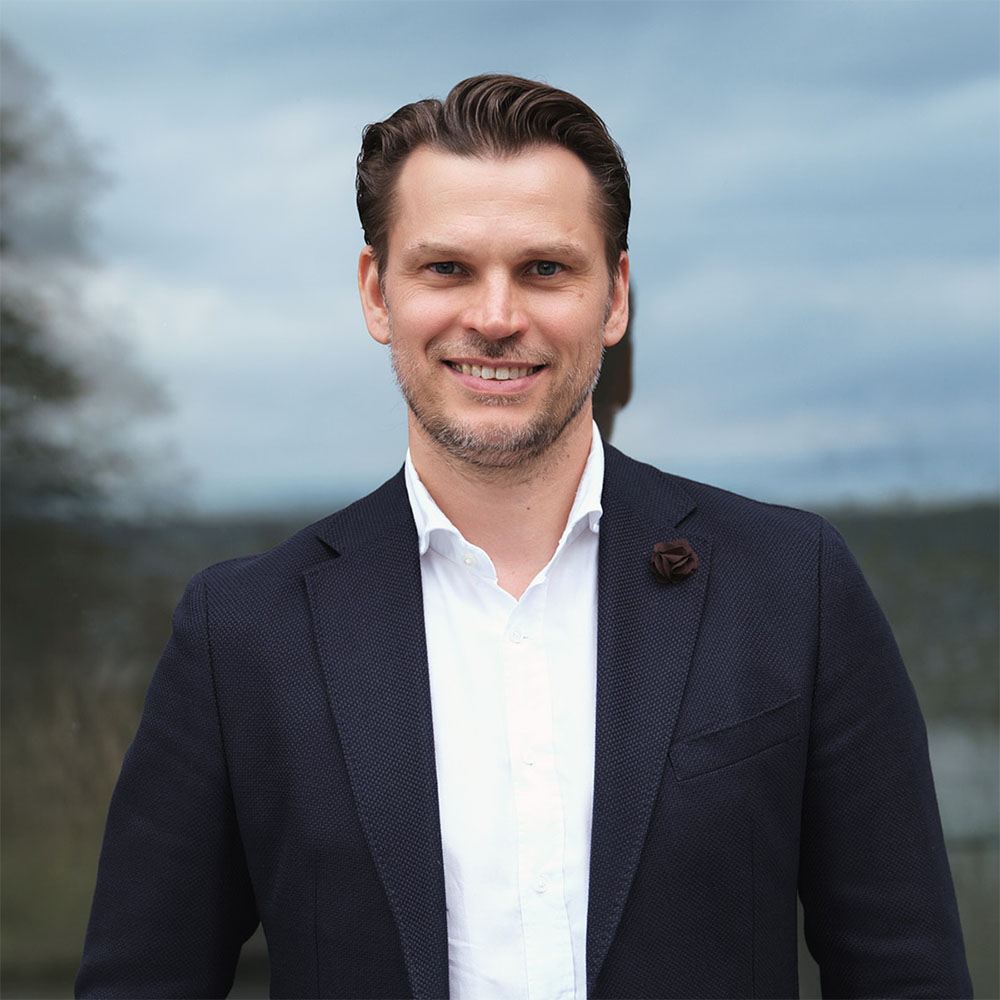
Dr. Johannes C. Bauer
Head of Think Tank, Member of the Executive Board
johannes.bauer@gdi.ch
+41 44 724 62 08
Alternative Produkte
Diese anderen Produkten könnten Sie interessieren