Skip to Content

No end game for retail: A show of confidence in uncertain times

The world is experiencing great upheaval. Instead of burying our heads in the sand, we looked to the future with confidence at the 76th International Retail Summit. We look back on one and a half days packed with inspiration, bold ideas and robust strategies.
22 September 2026 by
No end game for retail: A show of confidence in uncertain times
GDI Gottlieb Duttweiler Institute

At the start of the International Retail Summit, Daniela Schwarzer, President-elect of the Hertie School, assessed the current global situation. Europe is not merely facing a series of temporary crises, but is rather undergoing structural transformation of its political and economic order. This often causes a sense of powerlessness and resignation. This situation is compounded by the fact that other actors are using methods very much at odds with our values and democratic ideals. Collaboration is needed if we are to rise to the current challenges. Schwarzer contends that Europeans must rethink their continent by reflecting on their values. This may involve selecting the right AI model for day-to-day tasks, investing in philanthropic projects or committing to international networks rather than limiting ourselves to small-scale initiatives. Daniela Schwarzer says: “We certainly haven’t lost the agency, despite how things may seem. We simply need to find new ways to leverage it.”
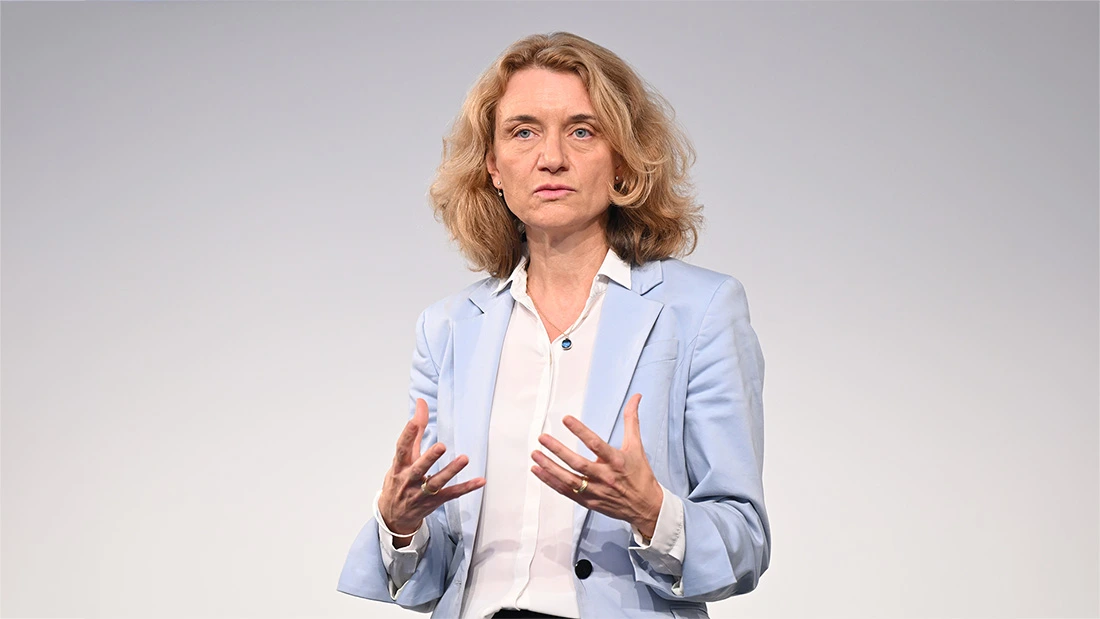
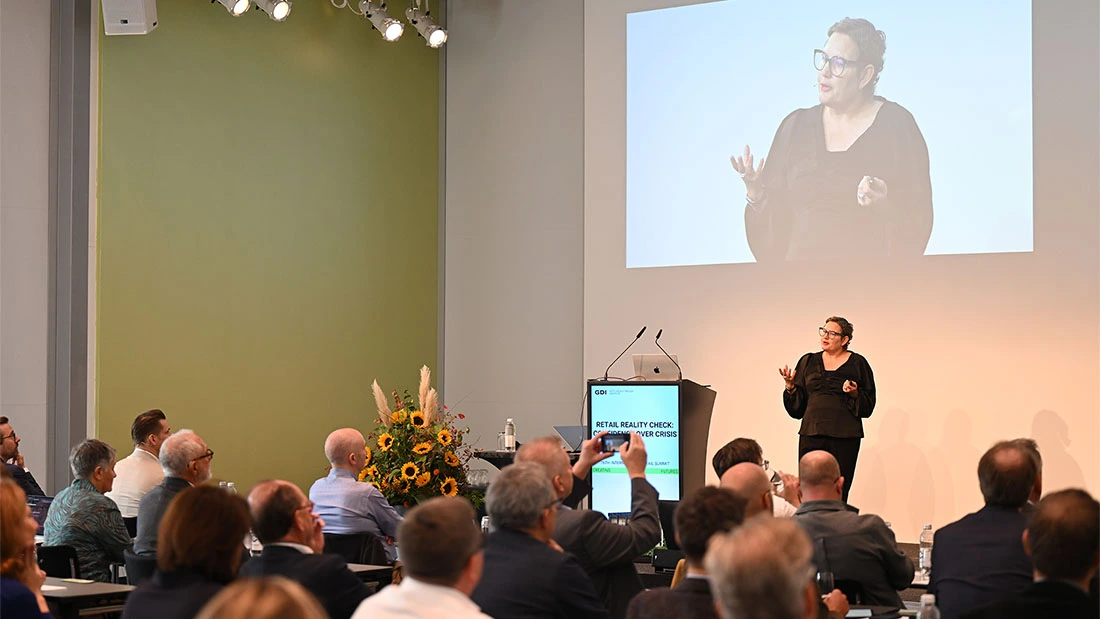
Daniela Schwarzer

Negative media coverage that focuses heavily on crises often creates a pessimistic outlook on the world. Anna Rosling Rönnlund, co-founder of Gapminder, shows how people often continuously misjudge the world. We underestimate social progress, overestimate technological advancements and cling to outmoded stereotypes. Even highly qualified decision-makers from business and the world of politics often achieve a worse score on factual questions than randomly generated answers. Rönnlund believes this is a major issue: “To plan for the future, we need to understand the present. But we are actually quite mistaken about the present, which most likely leads us to draw the wrong conclusions about the future.” While we undoubtedly face huge challenges, the state of the world is often not quite as dire as it may seem. We need to fact-check our own assessments, and not just AI results. “We need to be humble, curious and have hope that we can fix the problems we still have left,” Anna Rosling Rönnlund sums up.Anna Rosling Rönnlund
Real retail stories: four types of confidence
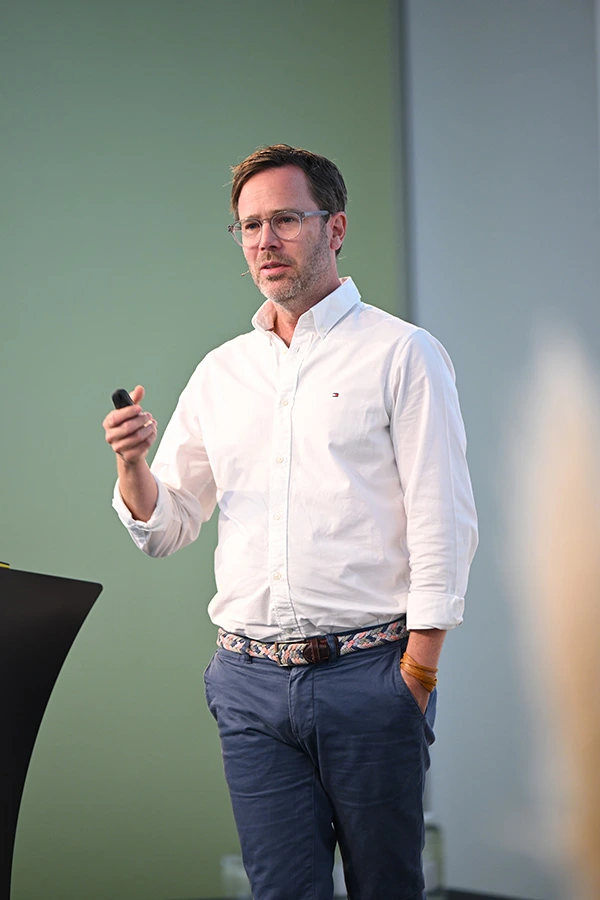
Despite the far-reaching changes currently taking place in the world and within the sector, retailers were showing confidence in Rüschlikon.
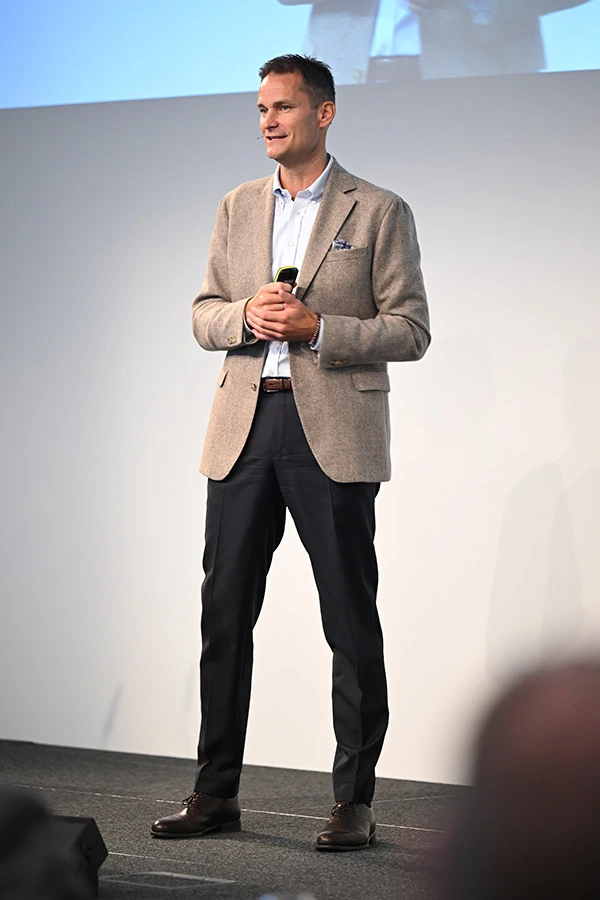
Fredrik Engman
Confidence in the future

This belief was clearly demonstrated by Ikea, the leading Swedish furniture retailer. Fredrik Engman, Global Brand & Marketing at Ikea, says: “We have decided to be optimistic about the future.” By adopting this mindset, Ikea aims to establish a robust strategic framework for long-term decision-making. Engman points to the company’s entry into the Indian market by way of example. While there was no profitable business case short term, the company invested in light of the country’s huge population and their growing needs. The furniture retailer is fully aware that it may take another decade or two to gain a real foothold.
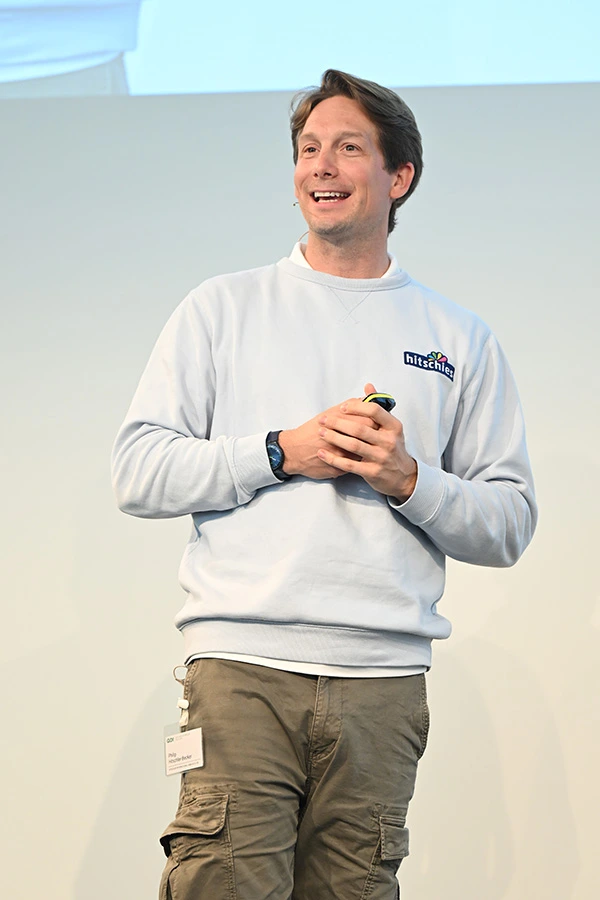
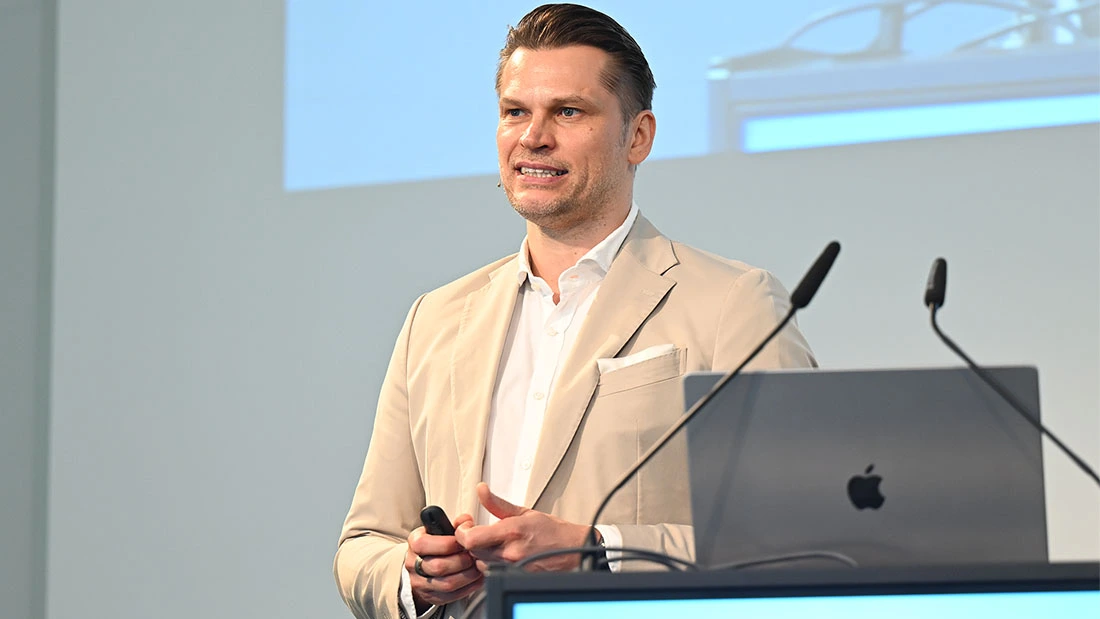
Philip Hitschler-Becker
Belief in your own strengths
Hitschies, the confectionery company and ‘love brand’ that has gone viral on social media today, stood on the brink of collapse ten years ago. Philip Hitschler-Becker, the fourth-generation head of the family-run business, pulled off this dramatic turnaround by pursuing a radical ‘social-first’ strategy. In the process, he made himself the face of the brand, which is omnipresent online. Adopting an ‘act first, reflect later’ mindset enables Hitschler-Becker to experiment with new formats quickly and easily. He has built a strong, active community through his authenticity.
Ingo Kretzschmar
Upbeat about tactile books
Ingo Kretzschmar, CEO of Thalia, appreciates the importance of online presence too. In 2023, TikTok helped to sell around 14 million books. By 2025, that figure had climbed to 28 million. In the book trade, Kretzschmar is pursuing a seamless omnichannel strategy. That’s because printed books are still relevant and very popular amongst young people with high purchasing power. He views Thalia not simply as a bricks-and-mortar bookshop, but as a haven for social interaction in dreary city centres.
Thomas Gutberlet
Belief in the community
Thomas Gutberlet, COO of Tante Enso, reveals how the high street continues to play a makor role. Hybrid supermarkets on the high street are ensuring local food supply in rural areas, often in locations from which the competition has withdrawn. Here the company relies on strong participation from the local community. Running the enterprise jointly builds a strong bond with the community’s ‘own’ Tante Enso, which also acts as a social hub. Gutberlet is optimistic about the future too: the number of stores is set to rise from 134 by the end of 2026 to over 300 by 2030.
Retail strategies
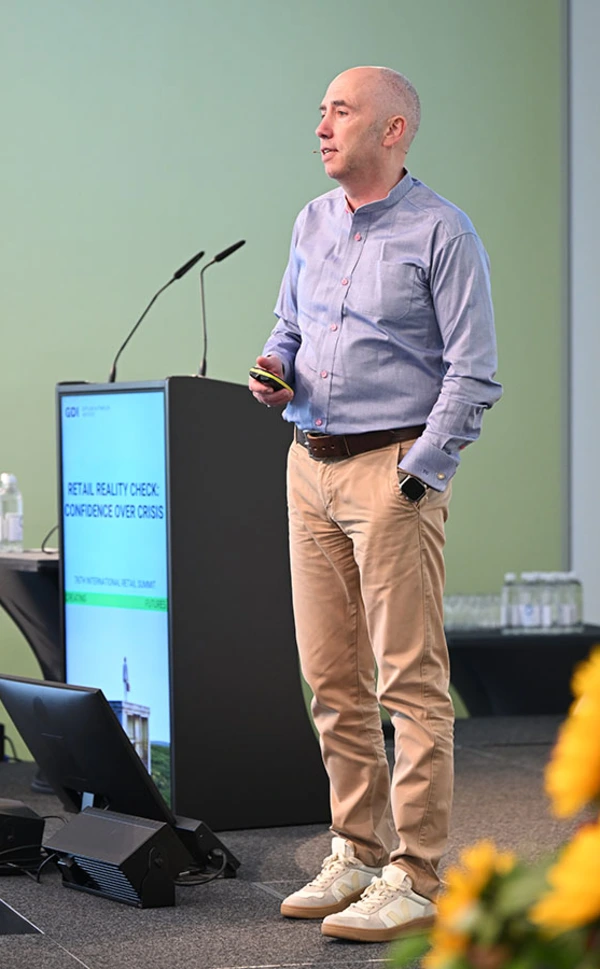
“People who see only crisis are perpetuating the status quo. You have to embrace change to find new growth opportunities,” says Johannes C. Bauer, Head of the think-tank at the GDI. He demonstrated how this can be achieved by outlining three practical decision-making rules for retailers. First of all, if revenue falls, it is imperative to analyse how consumer spending is shifting before making any adjustments. As Anna Rosling Rönnlund underlined at the outset, we must understand the present to plan for the future. Secondly, it is important to consider system-wide implications before deciding on locations. Ingo Kretzschmar’s real-life example proves this point: a new Thalia store boosts online sales too. Thirdly: customers’ shopping goals determine the roles played by people, stores and technology. This principle applies to store design too, as Adam Devey Smith highlighted: the purpose of the shopping trip determines which senses retailers need to appeal to and in what ways.

Johannes C. Bauer

Adam Devey Smith, co-founder and managing partner at The One Off, underlined the importance of ensuring the shopping experience is based on more than just visual stimuli alone. Smell and taste, especially, can be used to evoke long-term memories and create emotional bonds, but are often overlooked as store design elements. In the future, agent-based AI will be able to perform many rational purchasing processes. However, algorithms are no substitute for the emotions, sense of community and element of surprise that we experience in person.
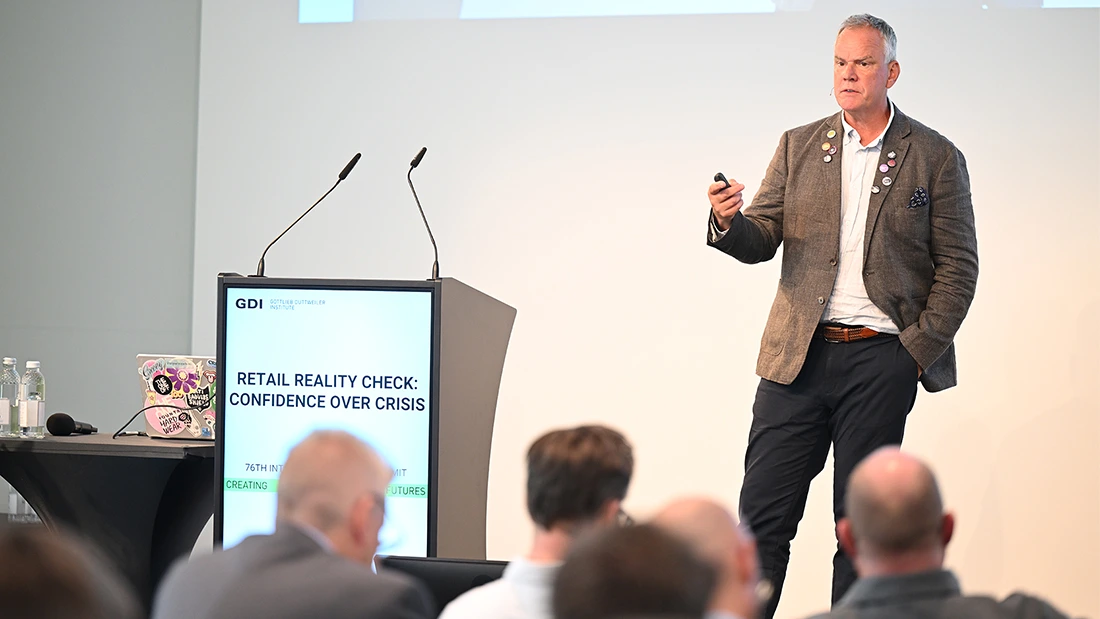
Adam Devey Smith

No progress without failure 

The retail sector is undergoing transformation. This means new approaches and innovative ideas are called for. Some of the exhibits from the ‘Museum of Failure’ on display show how companies can sometimes fail quite spectacularly. For example, Nintendo’s launch of the Power Glove, which performed poorly. The company learnt from this experience and launched the highly successful Nintendo Wii years later.
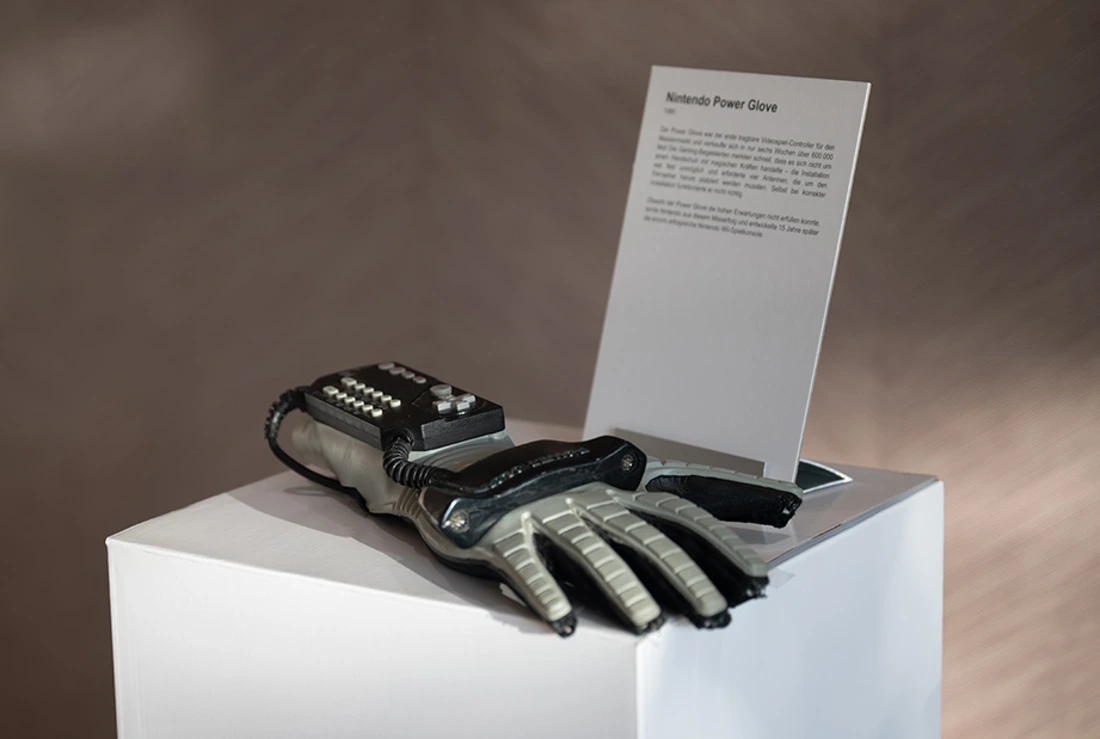


Nintendo Power Glove

Samuel West, founder and curator of the ‘Museum of Failure’, regrets our frequent failure to distinguish between good and bad mistakes. Serious errors are avoidable and are caused by carelessness, overconfidence or failure to follow the rules. Positive errors can happen when companies carefully test new products or services to drive progress forward or create added value. Samuel West believes: “It is not a failure if you call it an experiment.”
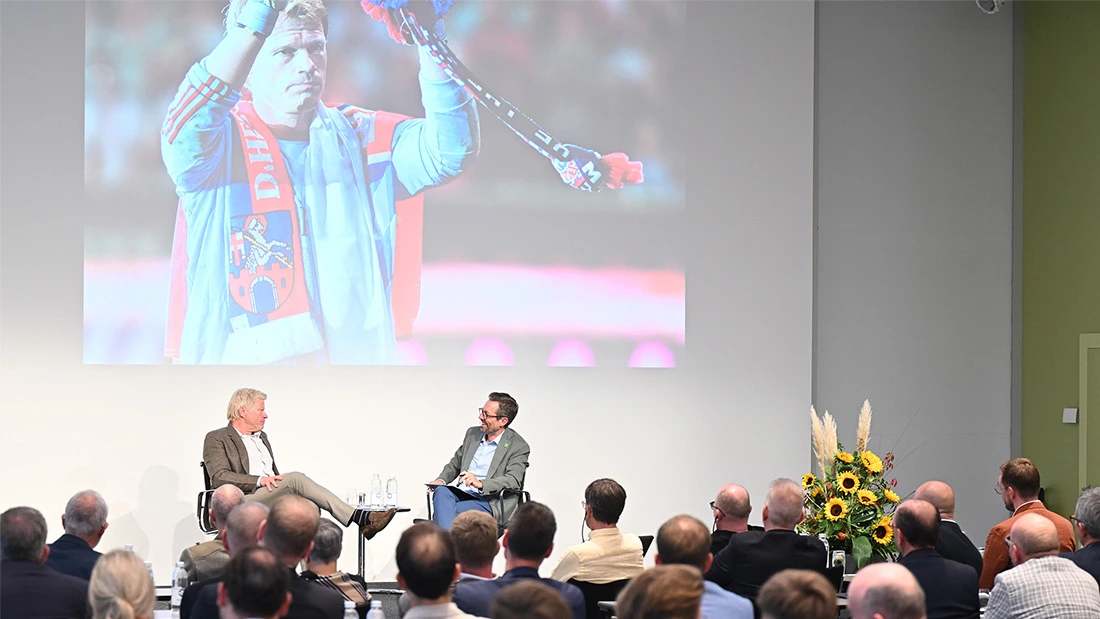
Defeats are simply accepted as part of sport. During a debate on the GDI podium, football legend Oliver Kahn stressed just how important proper analysis is to truly learn from setbacks. Just because a match went from victory to defeat in the final two minutes doesn’t necessarily mean everything up to that point was bad. Such insights can only be gained if the culture of an organisation or company allows for errors. Today, he also interprets his famous battle cry, ‘Weiter, immer weiter (never stop going on)’, as a sign of resilience. This does not mean stubbornly banging your head against a brick wall time and time again, but instead constantly challenging your goals and role with a critical eye and adapting them to evolving situations. Adopting a positive outlook on the future is absolutely vital: “Optimism is appreciating your vision in even the densest fog. But true belief is saying ‘We’ll find our way whatever happens’ in the thickest fog,” said Kahn.

Oliver Kahn und Nico Luchsinger
The infinite game
Unlike football, retail is not a game that ends with clear winners and losers. That’s why Heath Slawner, Igniter at Simon Sinek’s The Optimism Company, calls for a long-term approach. Focusing solely on short-term profits and outperforming the competition puts trust, collaboration and innovation in jeopardy. To retain their relevance long term, companies require a just cause, trusting teams and strategic flexibility. Good leadership creates an environment where people can assume responsibility, admit their mistakes and navigate uncertain waters together.
The 76th Retail Summit at the GDI revealed that the retail sector is in a state of change, but far from nearing the end of the road. Viewing change as a transition rather than a crisis will present opportunities, even during times of uncertainty. Whether that means Ikea’s long-term investment, Thalia’s omnichannel strategy or Kahn’s approach to overcoming setbacks. This requires a corporate culture that learns from mistakes and the willingness to analyse things closely and dig in when faced with adversity. After all, confidence is not a state of mind, but a decision-making strategy that is applied every day.
Save the date and see you soon at the GDI
The next International Retail Summit will be held on 15 and 16 September 2027 in Rüschlikon. Save the date now and find out about all the very latest trends in retail. Seeking more inspiration in the meantime? Take a look at our upcoming conferences and events. The European Trend Day will be held at the GDI on 10 March 2027.

A place where visionaries meet

Our GDI trend conferences provide in-depth insights. Leading minds from business and science come together at these events. Enjoy inspiring discussion, discover future-minded ideas and make valuable contacts.

All conferences


Tags
Archive